
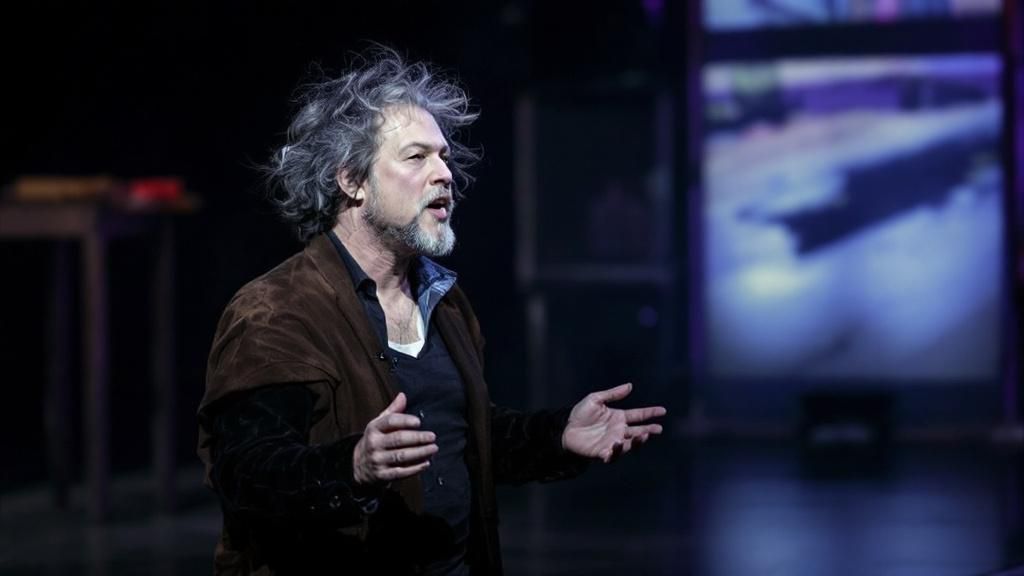
The National Theatre has launched an extensive programme designed to democratise access to classical drama throughout the United Kingdom. This pioneering initiative seeks to bring internationally acclaimed stage productions to regions far outside London’s West End, making certain that audiences in rural and underserved regions can encounter Shakespeare, Chekhov, and current renderings of timeless classics. Through innovative touring schemes, online channels, and strategic alliances, the theatre is substantially altering how Britain relates to dramatic literature, making quality theatre an fundamental access point rather than a privilege.
Opening Up Access to World-Class Theatre to World-Class Theatre
The National Theatre’s programme represents a significant transformation in how traditional theatre connects with audiences across the United Kingdom. By eliminating geographical barriers and budgetary limitations, the initiative guarantees that communities in countryside regions and deprived areas can access performances once exclusive to London’s elite venues. This commitment to inclusivity demonstrates a core conviction that artistic merit should not be dependent on postcode or disposable income, but rather shared fairly between all individuals regardless of their situations.
Through collaborative alliances with regional theatre venues, academic organisations, and local arts organisations, the National Theatre is developing sustainable channels for interaction with classical works. The programme includes touring productions, affordable ticket initiatives, and locally-driven versions that foster local engagement and cultural stewardship. By fostering these collaborative relationships, the theatre moves away from a single London-based organisation into a expanded network of artistic quality, ensuring that the profound impact of dramatic art becomes widely accessible to audiences nationwide.
Digital Innovation and Community Partnerships
The National Theatre’s approach relies on advanced digital solutions to extend its reach across the nation. By harnessing digital platforms and digital theatre experiences, the institution enables simultaneous access to theatrical works for audiences without the ability to attend live. This technological infrastructure democratises cultural participation, letting people from Cornwall to the Scottish Highlands to experience world-class performances from their local areas. The initiative also includes engaging online tools, learning resources, and production footage, deepening the theatre experience beyond traditional stage productions and building stronger connections with traditional theatrical works.
Equally significant are the strategic partnerships forged with regional theatre organisations, local councils, and community organisations throughout the United Kingdom. These working relationships ensure productions connect with audiences from different backgrounds whilst supporting grassroots cultural infrastructure. The National Theatre delivers funding, expertise, and artistic direction to collaborative venues, establishing enduring cultural frameworks in underrepresented areas. By collaborating with regional bodies rather than applying London-based criteria, the initiative acknowledges community character whilst preserving creative quality. This cooperative structure converts classical drama into a genuinely nationwide endeavour, establishing theatrical culture across communities and creating permanent cultural impact.
Influence and Long-Term Outlook
The initiative’s effect reaches well beyond simple attendance numbers, profoundly changing arts engagement nationwide. Theatre organisations across regions reveal unparalleled levels of engagement, with theatre-goers uncovering renewed appreciation for classic productions previously deemed inaccessible. Communities that historically lacked theatre facilities now access stage performances, educational programmes, and behind-the-scenes insights. This democratization develops a wider arts environment, inspiring younger generations to interact with stage drama as an integral component of their learning and social growth.
Looking ahead, the National Theatre envisions sustained expansion of this groundbreaking scheme throughout the next ten years. Strategic investments in online platforms promise to broaden reach, allowing concurrent transmissions and direct access to archived productions. Working relationships with educational institutions will embed classical drama within school curricula, fostering sustained enthusiasm for theatrical arts. The programme represents a pivotal turning point, establishing the principle that outstanding theatre productions constitute a basic cultural entitlement rather than an advantage restricted to the capital.
As this transformative initiative keeps developing, its success fundamentally relies on continuous investment, community engagement, and strategic alliances. The National Theatre continues to be focused on evaluating effectiveness through audience feedback, participation rates, and pedagogical achievements, maintaining transparency and ongoing development. This innovative scheme marks a significant change in British society’s cultural outlook, demonstrating that traditional theatre is for everyone.
